Rideshare Rental Insurance in Colorado Springs: What Uber and Lyft Drivers Should Ask Before Renting
Choosing a Rideshare Rental option involves more than finding an available vehicle and comparing weekly rates. Insurance can determine what happens if the vehicle is damaged, a passenger is injured, another driver causes an accident, or a claim occurs while you are waiting for a ride request. Before renting, drivers should understand which coverage applies at each stage of rideshare activity and what responsibilities remain with the renter.
Insurance rules can vary by rental agreement, platform, insurer, and driving status. Uber and Lyft both maintain certain insurance coverage while drivers use their platforms, but the coverage that applies can change depending on whether the app is off, the driver is waiting for a request, or a ride is underway. Current platform guidance also makes clear that drivers should maintain required insurance and review applicable coverage carefully.
Quick Answer: What Insurance Questions Should Rideshare Drivers Ask?
Before signing a rideshare rental agreement, ask:
What insurance is included with the rental?
Is Uber or Lyft use specifically permitted?
What coverage applies when the app is off?
What coverage applies while waiting for a ride request?
What applies after accepting a trip?
Is physical damage to the rental vehicle covered?
What deductible would the driver owe?
Is uninsured or underinsured motorist protection included?
Are additional drivers covered?
Is personal use of the rental permitted?
What happens after an accident?
Who should the driver contact first when filing a claim?
The answers should be clear before the vehicle leaves the rental location.
Why Rideshare Insurance Is Different From Ordinary Car Insurance
Rideshare driving creates multiple insurance periods that do not exist during normal personal transportation.
Personal use and commercial use are not the same
A standard personal auto policy may exclude or limit coverage when a vehicle is being used to carry passengers for compensation. Lyft specifically advises that many personal auto policies will not cover drivers while they are driving with Lyft and suggests discussing rideshare coverage or an endorsement with an insurer.
That is one reason a standard Car Rental should never automatically be treated as a rideshare-approved rental.
Coverage can change during a single shift
A driver might move through several insurance situations within one hour:
Driving personally with the rideshare app turned off
Going online and waiting for a request
Accepting a passenger request
Driving to the pickup location
Transporting the passenger
Completing the ride and waiting again
The applicable insurance can change as the driver moves between these stages.
Understand the Three Main Rideshare Insurance Periods
Drivers should understand the basic structure before discussing specific rental coverage.
When the App Is Off
When a driver is not logged into the rideshare platform, platform-provided rideshare insurance generally does not apply in the same way it does during active platform use.
Uber states that personal auto insurance applies while a driver is offline. Lyft similarly identifies app-off driving as a period when the driver's own insurance applies.
For a rental vehicle, however, the applicable off-platform coverage depends on the rental agreement and insurance attached to that rental.
Ask the rental provider
Confirm:
Whether personal driving is allowed
What coverage applies during personal use
Whether there is a deductible
Whether geographic limits apply
Whether another household member can drive
Do not assume the platform's insurance protects the vehicle when the app is off.
When the App Is On but No Ride Has Been Accepted
This period is particularly important because drivers are available for work but do not yet have a passenger assignment.
Uber currently states that it maintains third-party liability protection while eligible drivers are online and waiting for a request, although exact limits and state-specific provisions should always be verified through current platform documents.
Ask what protects the rental vehicle itself
Liability insurance and physical-damage coverage are different.
Liability coverage generally addresses injuries or property damage involving other people. It does not necessarily mean damage to the rental vehicle is covered.
Drivers should ask specifically:
Is collision damage covered during the waiting period?
Is comprehensive damage covered?
What deductible applies?
Does the rental company's protection remain active?
This distinction is easy to overlook and can become expensive after an accident.
After Accepting a Ride
Once a driver accepts a request and is traveling to the passenger or completing the ride, broader platform-maintained coverage may apply.
Uber states that it maintains at least $1 million in third-party liability coverage during qualifying en-route and trip activity and may provide contingent comprehensive and collision protection subject to applicable conditions and deductibles.
Lyft also structures its insurance around different driving periods and requires drivers to maintain insurance meeting applicable state minimums.
Drivers should still verify current Colorado-specific certificates and rental terms before relying on any coverage amount.
Colorado Rideshare Insurance Requirements Matter
Colorado regulates transportation network companies and requires insurance protections during rideshare activity.
Colorado law requires primary liability coverage during rideshare operations and also requires uninsured motorist protection for drivers and riders during prearranged rides. Colorado legislation established minimum uninsured motorist protection of $200,000 per person and $400,000 per occurrence during covered prearranged rides.
Why this matters to rental drivers
State-required platform insurance does not automatically answer every rental-related question.
Drivers still need to know:
Who covers damage to the rented vehicle
Which deductible applies
Whether rental-provider insurance is primary or secondary
Whether personal use is covered
Whether unauthorized driving voids coverage
How claims affect the rental agreement
State law provides a framework, but the agreement determines many practical responsibilities between the renter and rental provider.
Insurance Included With a Rental: What Does That Actually Mean?
The phrase “insurance included” should never end the conversation.
Ask what type of insurance is included
Possible categories may include:
Liability coverage
Collision protection
Comprehensive protection
Uninsured motorist coverage
Underinsured motorist coverage
Medical-related coverage
Rental vehicle damage protection
Not every agreement includes all of these.
Ask for coverage limits
Drivers should know the maximum amount the policy may pay.
Ask about deductibles
A deductible is the amount the driver may need to pay before certain insurance benefits apply.
A policy with a large deductible can still create a substantial out-of-pocket expense after an accident.
Ask about exclusions
Coverage may exclude certain situations, such as:
Unauthorized drivers
Prohibited vehicle use
Unapproved geographic travel
Reckless driving
Intentional damage
Driving while impaired
Failure to report an accident correctly
Understanding exclusions is just as important as understanding benefits.
Physical Damage Coverage Deserves Special Attention
Many drivers focus heavily on liability but overlook the cost of repairing the rental itself.
Collision coverage
Collision protection may help cover damage caused when the rental vehicle strikes another vehicle or object.
Comprehensive coverage
Comprehensive protection may apply to certain non-collision losses such as theft, vandalism, hail, or other covered events.
Rideshare platform coverage can be conditional
Uber explains that its comprehensive and collision protection can depend on underlying coverage and may involve a deductible. Its published guidance also notes different deductible treatment for some vehicles obtained through its approved marketplace.
Drivers using an independent rental provider should not assume the same terms apply.
Ask Who Pays the Deductible
This is one of the most important financial questions before renting.
Deductibles can affect your emergency budget
If the rental vehicle is damaged, a driver may be responsible for hundreds or thousands of dollars depending on the applicable policy.
Ask:
What is the deductible?
Does it change depending on the accident?
Is it owed immediately?
Does fault affect the amount?
Is there a different deductible for theft or comprehensive claims?
Can additional protection reduce the deductible?
Drivers should have this information before they begin working.
What Happens if Another Driver Has No Insurance?
Uninsured and underinsured motorists create another potential risk.
Colorado has specific insurance requirements designed to protect rideshare drivers and passengers from uninsured drivers during qualifying rides.
Ask when that protection applies
Coverage during an active ride may differ from coverage when:
The app is off
The driver is waiting for requests
The vehicle is being used personally
Understanding these gaps can help drivers discuss additional protection with the provider or an insurance professional.
Rental Insurance vs. Uber Insurance
Drivers researching an uber rental Colorado Springs option should understand that rental-provider insurance and Uber-maintained insurance may serve different purposes.
Rental-provider coverage
This may govern:
Use of the rental itself
Damage to the vehicle
Personal driving
Authorized drivers
Deductibles
Return obligations
Uber-maintained coverage
Uber states that it maintains commercial insurance for qualifying rideshare activity while drivers use its platform, with protection changing according to driving status.
Both sets of terms matter
Being covered by Uber during a ride does not necessarily remove obligations under the rental agreement.
Drivers need both documents to understand their complete position.
Rental Insurance vs. Lyft Insurance
A driver researching a Lyft Rental Colorado Springs option should perform the same comparison.
Lyft states that drivers must maintain insurance meeting state requirements and provides platform coverage depending on driving status. Its Colorado driver information also notes that rental vehicles generally must be obtained through an approved program to qualify for Lyft unless otherwise permitted under applicable platform rules.
Confirm rental eligibility before paying
Ask:
Can this exact rental be added to Lyft?
Does the rental provider authorize Lyft use?
What documentation will be provided?
What insurance applies?
Is the vehicle eligible under current Lyft rules?
Platform rules can change, so verification should happen before every new rental arrangement.
Additional Drivers Can Create Insurance Problems
A rental vehicle should only be operated by authorized drivers.
Do not assume family members are covered
A spouse, friend, coworker, or another rideshare driver may not be allowed to use the vehicle unless specifically included in the agreement.
Ask before sharing the vehicle
Confirm:
Whether additional drivers are permitted
Whether they must be listed
Whether they must meet age or license requirements
Whether they can use the vehicle for rideshare driving
Whether additional charges apply
An unauthorized driver can potentially complicate both insurance and rental claims.
Personal Driving in a Rideshare Rental
Drivers may use the same vehicle for work and everyday transportation only when the rental agreement permits it.
Ask about off-platform use
Examples include:
Grocery shopping
Commuting to another job
Family errands
Medical appointments
Personal trips
Driving home after a shift
Insurance protection during these trips may differ from coverage while the rideshare app is active.
A driver searching for a Rideshare Rental Near Me should ask about personal use before choosing a provider.
Geographic Limits Can Affect Coverage
Colorado Springs rideshare drivers may receive trips far beyond the city.
Potential destinations include:
Fountain
Monument
Castle Rock
Pueblo
Woodland Park
Canon City
Manitou Springs
Black Forest
Falcon
Long trips should be permitted by the rental agreement
Ask whether:
Regional travel is allowed
Out-of-state travel is permitted
Mountain routes are allowed
Mileage restrictions apply
Insurance changes outside the normal service area
A profitable-looking ride can create problems if it violates the rental agreement.
What Should Happen After an Accident?
Every rideshare driver should know the procedure before an accident happens.
Prioritize safety
Move to a safe location when possible and follow emergency procedures appropriate to the situation.
Document the scene
When safe, collect:
Photos of all vehicles
Damage photos
Driver information
Insurance information
Witness details
Location
Time
Relevant platform trip information
Contact the required parties
Depending on the situation, this may include:
Law enforcement
The rideshare platform
The rental provider
The applicable insurer
Uber provides an in-app and online crash-reporting process for drivers.
Do not arrange repairs yourself
Unless specifically authorized, do not take a rental vehicle to a repair facility or approve work independently.
Follow the provider's claims and maintenance process.
What Happens if the Vehicle Is Not Drivable?
Downtime directly affects rideshare income.
Ask about replacement vehicles
Before signing, ask:
Is a replacement available after a covered accident?
How quickly can another vehicle be provided?
Does another deposit apply?
Will platform documentation need to be updated?
Are rental payments paused during downtime?
Who handles towing?
A clear replacement policy can be highly valuable for full-time drivers.
Insurance and Winter Driving in Colorado Springs
Winter adds another layer of risk to rideshare work.
Snow, black ice, hail, wind, and changing road conditions may affect trips around Northgate, Monument, Black Forest, Woodland Park, and surrounding areas.
Weather damage can involve different coverage
Drivers should ask whether the rental agreement addresses:
Hail
Windshield damage
Sliding collisions
Falling branches
Weather-related towing
Do not assume AWD changes insurance responsibility
An AWD vehicle may help with traction, but the same rental and insurance requirements still apply.
Safe driving remains the driver's responsibility.
Is a Cheap Rideshare Rental Worth the Insurance Risk?
A Cheap Rideshare Rental should be evaluated by total financial exposure, not just weekly price.
A lower rental rate may offer poor value if it comes with:
A high deductible
Limited physical-damage protection
Unclear liability terms
Restricted mileage
Few replacement options
Limited claims support
Confusing personal-use rules
The best value is an agreement whose price, protection, and responsibilities are clearly understood.
How to Compare Rideshare Rental Companies
Drivers comparing rideshare rental companies should evaluate insurance with the same attention they give vehicle condition and rental price.
Request clear written information
Ask for:
Insurance description
Coverage limits
Deductibles
Claims procedures
Authorized-use rules
Additional-driver policies
Geographic restrictions
Accident reporting requirements
Avoid vague answers
Statements such as “you are fully covered” do not explain which policy applies, what exclusions exist, or how much the driver could owe.
Ask specific questions.
Insurance Questions to Ask Before Signing
Is rideshare driving specifically authorized?
The agreement should permit the intended Uber or Lyft use.
What insurance is included?
Ask for the type and limits of coverage.
What is my deductible?
Know your potential out-of-pocket exposure.
What happens when the app is off?
Ask which policy protects the rental during personal driving.
What happens while waiting for a ride?
This period can have different insurance treatment from an active trip.
What happens once a ride is accepted?
Understand platform and rental-provider responsibilities.
Is the rental vehicle itself protected?
Liability insurance alone may not pay for vehicle damage.
Are additional drivers covered?
Only authorized drivers should operate the vehicle.
What geographic areas are permitted?
Confirm local, regional, mountain, and out-of-state restrictions.
What happens after an accident?
Know who to call and how quickly the incident must be reported.
Is a replacement vehicle available?
For rideshare drivers, downtime can mean lost income.
Common Insurance Mistakes to Avoid
Assuming the platform covers everything
Platform insurance is tied to specific driving periods and does not automatically replace every rental-related obligation.
Renting before verifying platform eligibility
A vehicle must satisfy both the rental agreement and current platform requirements.
Ignoring the deductible
Insurance does not mean an accident will have no out-of-pocket cost.
Allowing an unauthorized person to drive
This can create serious rental and coverage complications.
Failing to report an accident promptly
Late reporting may interfere with the claims process.
Assuming personal use is automatically protected
Coverage may differ when the rideshare app is off.
Choosing solely by weekly price
Insurance terms can create much greater financial consequences than a small difference in rental cost.
Frequently Asked Questions
Does Uber provide insurance while I am driving?
Uber maintains insurance during qualifying platform activity, but the type and amount of protection depend on whether the driver is waiting for a request, traveling to a passenger, or completing a trip. Drivers should review current Colorado-specific information before relying on any coverage.
Does Lyft provide rideshare insurance?
Lyft maintains coverage during applicable platform activity and requires drivers to maintain insurance that meets state requirements. Coverage changes depending on driving status.
Does platform insurance cover damage to my rental car?
Not automatically in every situation. Physical-damage protection can depend on the platform, rental agreement, underlying coverage, and driving period.
Do I need separate personal insurance with a rental?
The answer depends on the rental arrangement and platform requirements. Ask the provider and review current platform documentation before driving.
What happens if I crash while waiting for a request?
Different liability and vehicle-damage rules may apply during this period. Review both the platform coverage and rental agreement.
Is insurance included in every rideshare rental?
Do not assume so. Ask exactly which insurance is included, which limits apply, and what deductible the renter could owe.
Understand the Coverage Before You Take the Keys
Insurance is one of the most important parts of a rideshare rental decision. Before driving for Uber or Lyft, understand what happens when the app is off, while you are waiting for requests, after accepting a ride, and while carrying passengers.
Colorado Car Rental offers economy, intermediate, standard, minivan, midsize SUV AWD, and standard SUV AWD categories, subject to availability. Drivers should contact the team directly to discuss current rental terms, vehicle availability, insurance details, deductibles, permitted platform use, and required documentation.
Ask detailed questions before signing. Knowing who covers the vehicle, which deductible applies, and how claims are handled can help you make a more informed decision before earning your first fare.
Contact Colorado Car Rental
Colorado Car Rental
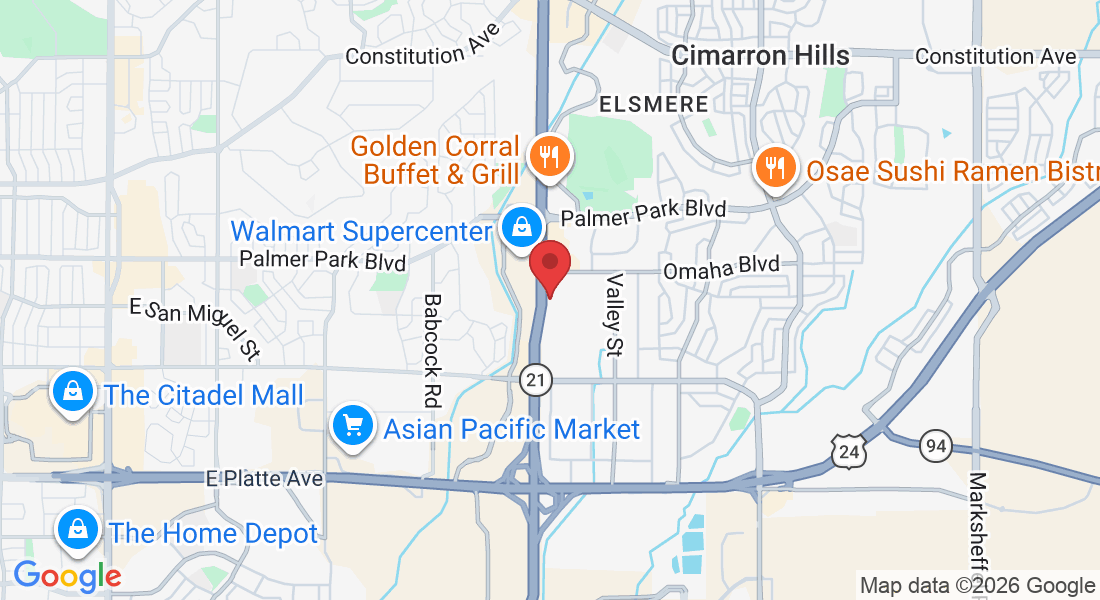
Address: 1340 Ainsworth St, Colorado Springs, CO
Phone: +1 (719) 977-4702